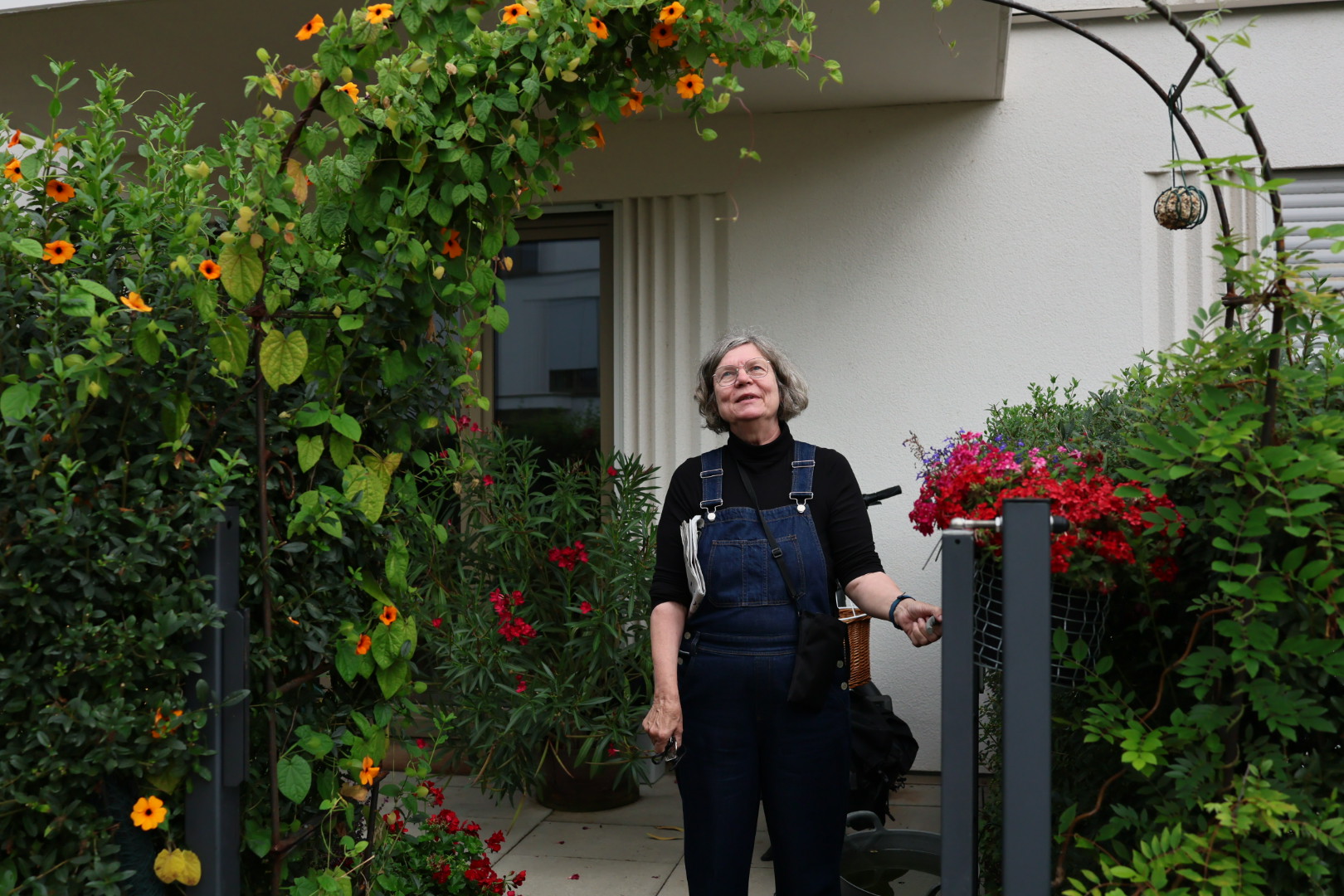
Karin and I met through a kind of loneliness, though not the same one.
Hers had grown around age, responsibility, and a life increasingly shaped by caring for Johannes. Mine came with migration — arriving in Germany without the language, relationships, and familiarity that had once made a place feel like home.
We lived only a few doors apart. Over time, I began spending more time in their home. Karin told me stories about her life; Johannes showed me objects he had kept for decades. Things moved between our doors. Gradually, the distance between neighbour and friend became difficult to locate.
Care entered this relationship almost unnoticed.
Johannes needed more help. Karin had already spent years organising her life around his needs, while trying to preserve a life of her own. I became involved in ways none of us had planned. Sometimes help was practical; sometimes it meant simply staying. At other times, help was refused. The closer I came, the less certain the roles seemed to be.
Germany has a formal language for care — dependency levels, allowances, services. But much of what happens between us remains difficult to name. Friendship, obligation, affection and dependence overlap. Giving and receiving change places. The person who cares for someone can suddenly need care herself.
I began photographing only after we had become close. By then, there was no clear place from which to stand outside the relationship.
What We Borrow remains unfinished, because the relationship itself is unfinished.
At what point does being there for someone become care — and who gets to decide?